
How to Approach Injuries as a Triathlete
- Jan 28
- 3 min read
If you train long enough, injuries become part of the conversation — not because you did something wrong, but because triathlon asks a lot of the body. I personally go to a chiropractor every week, and still have things pop up each season.
Learning how to approach injuries calmly and intentionally has been one of the most important skills I’ve developed as a triathlete. Not avoiding them entirely — but responding better when they show up.
Note: This is geared towards minor injuries - any major injuries require immediate medical attention and a complete pause to training unless otherwise instructed by your doctor.
First: Don’t Panic
When pain appears, it’s easy to jump straight to worst-case scenarios: Is my season over? Did I ruin everything? Most of the time, that reaction does more damage than the issue itself.
Not every ache means something is seriously wrong. Bodies get tired. Training load accumulates. Life stress adds up. The key is pausing before reacting and gathering information instead of emotions.
Ask yourself:
Is the pain sharp or dull?
Does it change as I warm up?
Is it getting worse over multiple days or staying consistent?
These questions help you respond thoughtfully instead of emotionally.
Uncomfortable vs Injured: Knowing the Difference
One of the most valuable distinctions in endurance sports is the difference between being uncomfortable and being injured.
Discomfort often:
Feels muscular or generalized
Improves with movement
Doesn’t alter your mechanics
Injuries tend to:
Be sharp, localized, or worsening
Affect how you move
Linger or escalate over time
If your form changes, pain increases, or you start compensating, that’s a sign to stop and reassess — not push harder.
Adjust Training, Don’t Abandon It
An injury doesn’t always automatically mean training stops altogether. One of the advantages of triathlon is having three disciplines to work with.
Depending on the issue:
Swimming can often be maintained or emphasized
Cycling may be possible at lower intensity
Running volume or intensity can be reduced or temporarily removed
This approach protects fitness while giving your body space to recover. Staying engaged — even in a modified way — can also help maintain motivation and routine.
Strength, Mobility, and Recovery Matter More Than Ever
When something feels off, recovery becomes training.
This is the time to prioritize:
Consistent strength work focused on stability and balance
Mobility and flexibility, especially in commonly tight areas
Sleep, nutrition, and hydration
Skipping these elements often contributes to issues in the first place. Leaning into them can be the difference between a short setback and a long absence.
If the issue continues, a physical therapist could also be immensely helpful in guiding you through recovery.
Give Yourself Permission to Rest
Rest days are not a sign of weakness or lost fitness. They’re a tool.
Taking a few days to recover early is almost always better than pushing through and losing weeks later.
This is especially true for amateur athletes balancing training with work, relationships, and everyday stress.
Progress doesn’t disappear overnight — but injuries can escalate quickly if ignored.
Returning to Training: Be Patient on Purpose
Coming back from injury can be mentally challenging. Fitness may feel different. Paces might be slower. Confidence may take time to rebuild.
Focus on:
Gradual increases, not instant performance
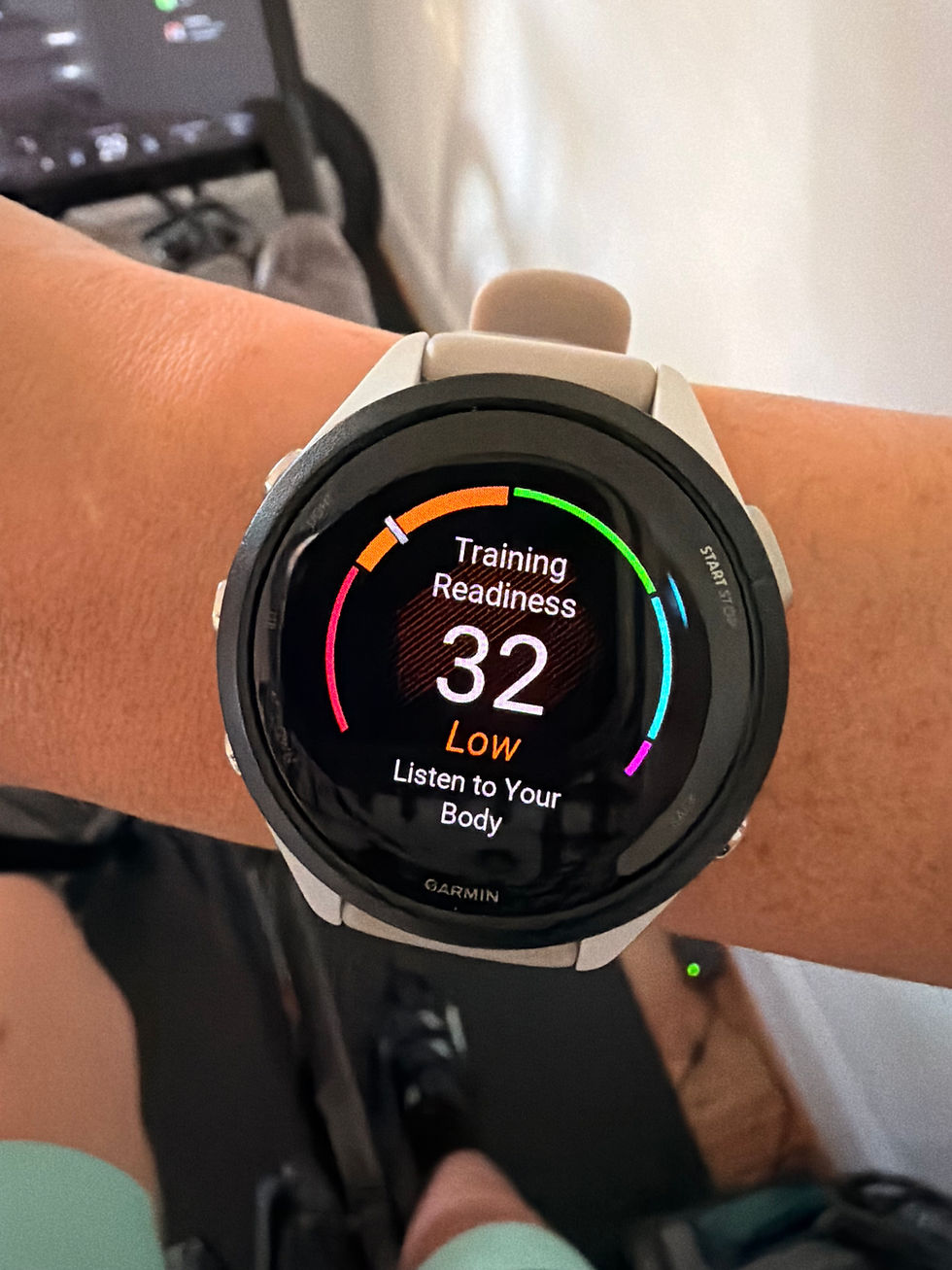
How your body responds, not what your watch says
Rebuilding consistency before intensity
The goal isn’t to “make up” lost training — it’s to return healthy and sustainable.
The Bigger Picture
Injuries don’t always define a season — how you respond to them does.
Every athlete who stays in the sport long enough learns this lesson eventually. The strongest triathletes aren’t the ones who never get hurt, but the ones who listen early, adjust wisely, and keep showing up with patience.
Approaching injuries with clarity, compassion, and flexibility doesn’t just protect your body — it protects your long-term relationship with the sport.


Comments